
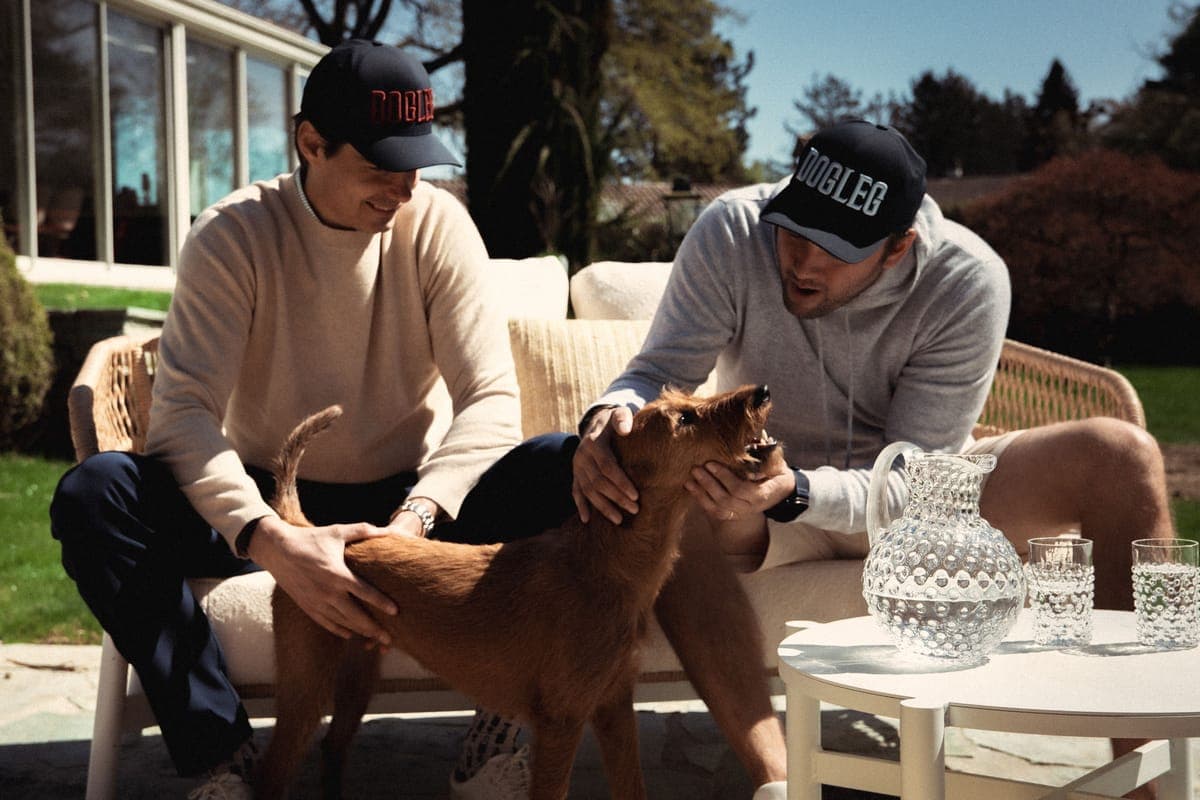
Your dog is going to love it. That is not the question. The question is whether the club, the three players in your group and the person who mows the greens are going to love it as much as he does.
You meet enough dogs on golf courses to believe it is allowed everywhere. It is not.
One phone call settles it
It depends on the club. Some accept a dog on a lead across the whole course, others refuse them on the playing area but welcome them on the terrace, others again only open certain days or outside peak hours. Two neighbouring clubs can give you opposite answers.
So you call the office, on a weekday, and you get three things spelled out: the course, the surroundings (clubhouse, terrace, driving range) and the time slots. What a friend told you is worth nothing. Neither is a dog you saw there last week.
And if the answer is no, it is no. A club that tolerates dogs can reverse that overnight, because of a single one.
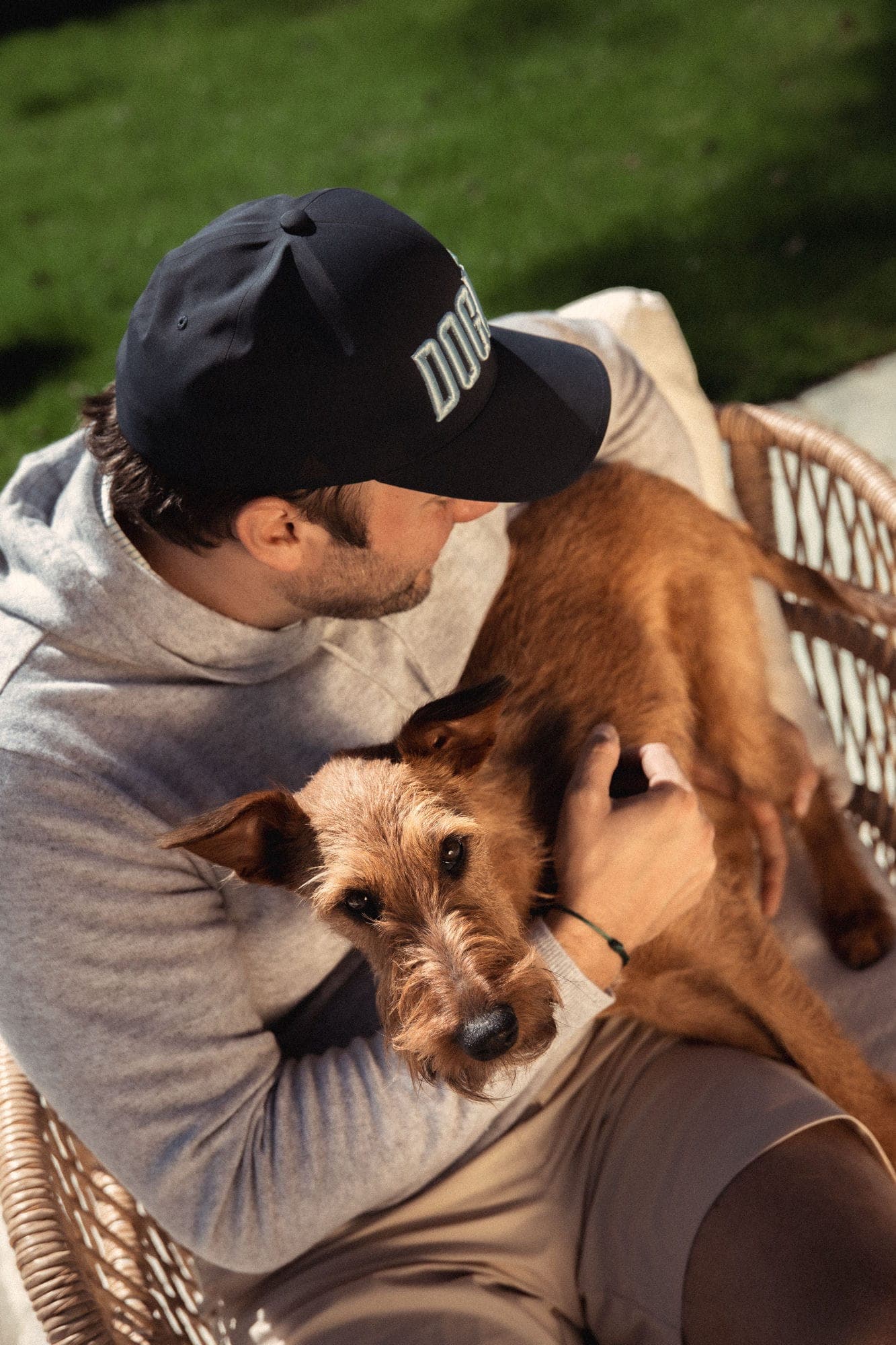
Three places, never
The green and the apron. The most worked surface on the course, mown very short, which records everything that crosses it: claws, the push of a dog stopping dead, a brisk turn. That boundary is taught on walks, long before the first round. A dog that skirts greens by reflex can be taken almost anywhere.
The bunkers. A dog that digs undoes hand-raked sand in a few seconds.
The tees. People are hitting, equipment is lying everywhere, and there is often a group waiting behind. The dog stays back and held until everyone has played.
The etiquette nobody has written down
A dog gets noticed through the pace of play first. Not through barking, not through hair on the bag: through the delay. If your group is falling behind because of him, you wave the following group through without waiting to be asked.
You mention it on the first tee when you are playing with strangers. Some players are afraid of dogs, others are allergic, and it is better learned on the first hole than on the twelfth.
You pick up. In the rough too, and when nobody is looking too. And you leave the wildlife alone.
Lead or long line, never loose. Walking free assumes a recall that holds when a hare breaks in front of him, and the one that works in the garden proves nothing. A long line gives the dog room while you play. And no retractable leads.
What can happen to him
The heat. This is the one point on this page we do not soften. People think it takes a heatwave, or a car locked in full sun. Wrong: what makes a dog break down is prolonged effort. A round of golf is exactly that — hours of walking, little shade, at a pace he does not choose.
Watch the dog, not the thermometer. Heavy panting that no longer settles, excessive drooling, very red gums, disorientation, weakness, vomiting. The most exposed are flat-faced dogs, older dogs, overweight dogs and the very large breeds.
If it happens: you stop everything, move him into the shade, pour plenty of cool tap water over his body — never iced — and create a draught. No wet towel laid over him. You cool first, transport second, calling the vet to say you are on your way. And on genuinely hot days, he stays at home.
The balls. A golf ball never becomes a toy. Never, not in the garden, not even a split one. Hard and slippery, it lodges readily at the stomach outlet, and that often ends in surgery. The signs are treacherous: vomiting, falling appetite, dullness. If you think he has swallowed one, you call the vet immediately, without waiting for the first symptom.
Teeth take a beating too: if your fingernail doesn’t mark the object, it is too hard to chew. Try it on a golf ball.
Ball flight and the buggy. A dog crossing during a swing, or jumping from a moving buggy, gets seriously hurt. That is what positioning is trained for.
The first outing
The dog who lasts the distance is the one who comes back when you call, who takes no interest in strangers, and who will lie down while the others putt. A dog who barks at passing buggies or follows balls with his eyes is not ready. That isn’t permanent — he may well be in a year. Today, no.
Start small. Nine holes late in the day, off peak, with the intention of cutting it short if it goes badly. And leave your card in the bag: that day, the score does not matter at all.
Dogleg was born on a fairway, with a dog never far away.